
Floors
Bathroom flooring that handles Tampa humidity
New bathroom floors in porcelain, mosaic, natural stone or rigid waterproof vinyl, laid on a flat, sound base so they stay put for years of wet feet and sticky summers.
Open daily, 7:00 AM to 10:30 PM · Consultations across Tampa Bay
A bathroom floor is mostly about what you can't see
The tile or plank you choose is the last layer. Underneath it sits the decision that actually decides how the floor behaves: whether the slab or subfloor is flat, dry and stable enough to carry it. Most of the failed bathroom floors we're asked to replace didn't fail because of the tile. They cracked over a slab joint nobody isolated, or a toilet flange was set at the wrong height, or water tracked under a threshold for a few years before anyone noticed.
We install bathroom flooring as part of a full remodel or as a standalone project. Either way, the job starts with lifting the old floor and looking at what's underneath before we commit to a finished height, a pattern or a schedule.
Materials
Flooring options for a Florida bathroom
- Porcelain tile
- Dense, low-absorption and available in almost any look, from wood-grain planks to large-format stone patterns. It's the default we reach for in humid bathrooms because it shrugs off moisture and cleaning products. Choose a textured or matte finish for grip.
- Mosaic tile
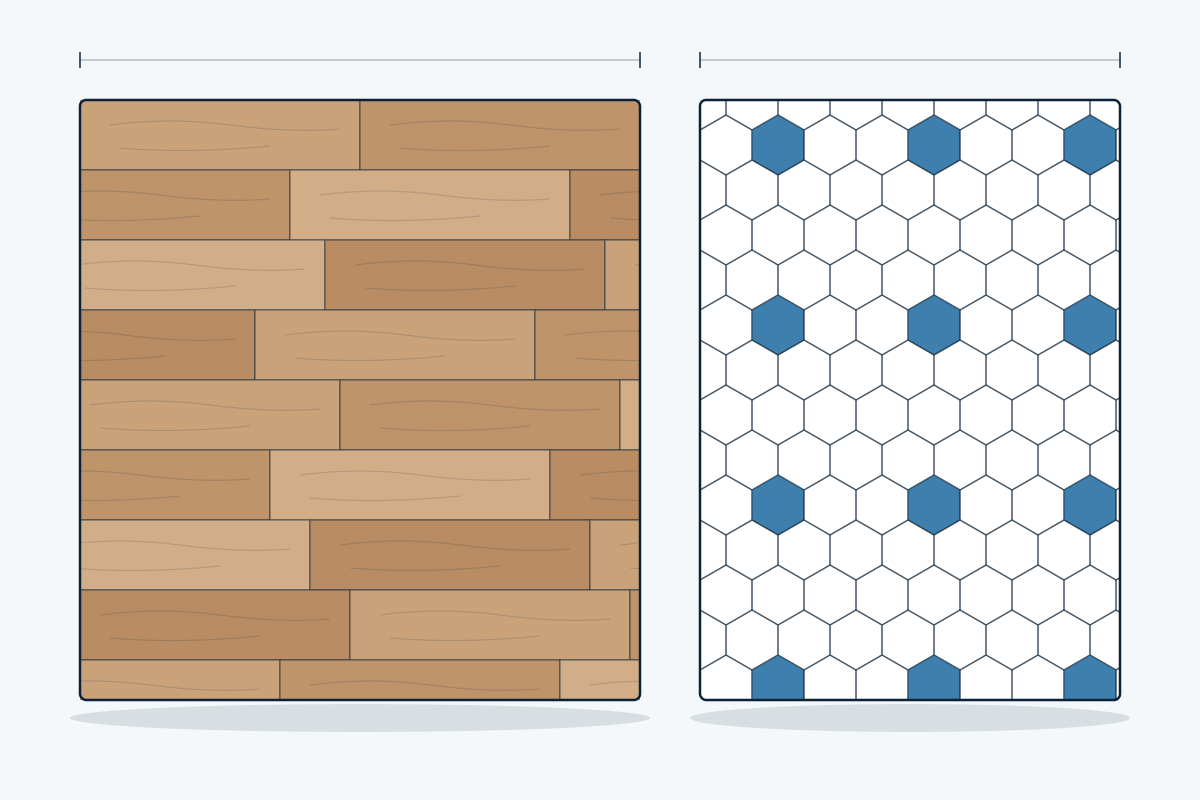
- Hexagon, penny round and small square mosaics add grout lines, and grout lines add traction. They're a natural fit for shower floors and small bathrooms, and they flex around slight slopes better than large tiles.
- Ceramic tile
- Lighter and softer than porcelain, and usually easier to cut. Glazed ceramic works on bathroom floors that don't see standing water, though porcelain is the tougher choice for busy family baths.
- Natural stone
- Marble, travertine and limestone look beautiful and age with character. They're also porous, need periodic sealing and can etch from acidic cleaners. Honed finishes are less slippery than polished ones.
- Rigid core vinyl plank
- A waterproof click-together plank that goes in faster than tile and feels warmer underfoot. It suits guest baths and budget-conscious projects. It isn't a shower floor material, and seams near tubs need careful sealing.
Still weighing options? Our guide to the best bathroom flooring for Florida homes compares them in more depth, and porcelain versus ceramic covers the difference that confuses most people in the tile aisle.
How a bathroom floor replacement runs
Measure and choose
We measure the room, note door clearances, toilet position and vanity footprint, then narrow materials with you. Sample tiles are laid out in the actual room light where possible.
Remove and inspect
The toilet comes out, the old floor comes up, and we look closely at the slab or subfloor. This is where soft plywood, old leaks or cracks show themselves.
Prepare the base
Low spots are filled or self-levelled, cracks are addressed, and an uncoupling or crack-isolation membrane goes down where the substrate calls for one.
Set and grout
Tile is laid to a planned layout so cuts land at walls and thresholds, not in the middle of the doorway. Grout and movement joints follow once the setting material has cured.
Reset and finish
Toilet reset on a new wax or waxless seal at the right flange height, baseboards or trim reinstalled, and transitions set to the adjoining floor.
What's different about bathroom floors here
Humidity is the obvious one. Months of damp air mean grout, stone and anything organic under the floor are always working against moisture. Good ventilation matters as much as material choice, which is why we look at the exhaust fan on every floor job.
Slab construction is the less obvious one. Drains and supply lines often run through or under the slab, so moving a toilet even a few inches can mean cutting concrete. It's doable, it just changes the scope. Shifting soils in parts of the region can also open hairline cracks over time, and a crack-isolation layer is the cheap insurance against that telegraphing through new tile.
Things we check before quoting
- Floor flatness across the whole room, not just near the door
- Existing cracks and whether they're moving
- Toilet flange height and condition
- Door swing and clearance with the new floor height
- Transition to hallway or bedroom flooring
- Signs of past leaks around the tub, shower or toilet
What affects the cost of a new bathroom floor
We don't publish flat prices because two bathrooms of the same size can differ a lot once the old floor is up. These are the variables that move the number:
Material and format
Stone and handmade tile cost more to buy and to install. Very large tiles need a flatter base; tiny mosaics take longer to set and grout.
Removal
Tile glued directly to a slab or mortar-bed floors from older homes take more labour to remove than vinyl.
Base preparation
Levelling compound, membranes and subfloor repairs are often the difference between a quick job and a longer one.
Pattern
Herringbone, diagonal and mixed layouts produce more cuts and more waste than a straight lay.
Fixture work
Pulling and resetting the toilet is routine. Relocating it, or working around a built-in vanity, adds time.
Heated floor mats
Less common in Florida, but some owners want them in primary baths. They add materials and an electrical connection.
For a whole-room view of what drives budgets, see our bathroom remodel cost page.
Problems a new floor should solve
Cracked tiles in a line. Usually a slab crack underneath. Replacing tiles without addressing it just moves the problem to next year.
Rocking toilet. Often a flange that sits too low or a floor that isn't flat. It's also a leak waiting to happen.
Dark, crumbling grout. Moisture getting in and staying. New grout, a sensible sealer and better airflow help.
A slippery finish. Polished tile outside a shower is a common complaint. Matte or textured surfaces and smaller formats give more grip.
Bathroom flooring questions
Can you tile over my existing bathroom floor?
Sometimes, but we rarely recommend it. Tiling over tile raises the floor height, affects the toilet flange and door clearance, and hides whatever condition the original floor is in. We'll tell you honestly if an overlay is reasonable in your room.
Is vinyl plank a good idea in a Florida bathroom?
Rigid core vinyl plank is waterproof on its surface and works well in guest baths and powder rooms. The weak points are the perimeter and seams, so it needs careful sealing around tubs and toilets. It isn't suitable inside a shower.
How long does a bathroom floor replacement take?
A standalone floor in a typical bathroom usually takes a few working days, allowing for removal, preparation, setting and grout curing. Levelling or subfloor repairs can add time. You'll get a schedule in your proposal once we've seen the room.
Do I need to replace the vanity when I replace the floor?
No. We can tile around a vanity you're keeping. If you're planning a new vanity soon, it's worth doing both together so the flooring runs to the right footprint.
Related work
Where we install
We take on bathroom flooring projects across Tampa and nearby communities, including:
Book a consultation
Start with a conversation about your bathroom
Call and tell us what isn’t working and what you’d like instead. We’ll talk through scope and materials, arrange a visit, then put it in writing.
- Which bathroom, and roughly how old it is
- What bothers you now: leaks, dated tile, a tub you don’t use
- Any photos or ideas you’ve saved
Call us
(813) 535-5487 Tap to call nowOpen daily, 7:00 AM to 10:30 PM
501 E Kennedy Blvd, Tampa, FL 33602